

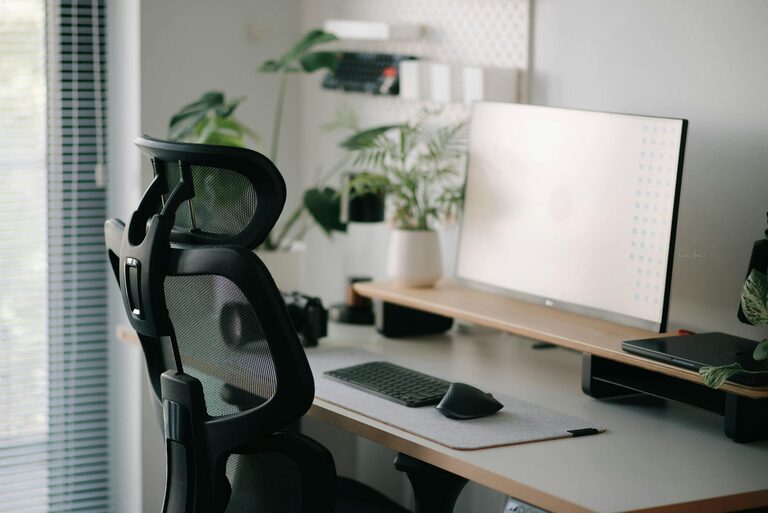
Creating a productive home workspace is essential for anyone who works remotely or frequently from home. A well-designed workspace can boost your focus, improve comfort, and increase overall efficiency. Whether you have a dedicated room or a small corner in your living space, these tips will help you set up an environment that supports your best work.
Start with the Right Location
Choosing the right spot in your home makes a huge difference. Ideally, your workspace should be:
– Quiet and private: Choose an area with minimal distractions so you can concentrate.
– Well-lit: Natural light is preferable, as it reduces eye strain and elevates mood.
– Accessible: Ensure it’s easy to get to your workspace without disruptions.
If space is limited, consider using a fold-away desk or a designated nook. The key is to make the area distinct from spaces associated with relaxation.
Invest in a Comfortable Chair and Desk
Comfort is crucial because you’ll be spending extended periods sitting and working. Here’s what to look for:
– Ergonomic Chair: Look for adjustable height, lumbar support, and cushioned seating.
– Desk at Proper Height: Your desk should allow your arms to rest comfortably, creating a 90-degree angle at the elbows.
– Space to Move: Ensure there’s enough space to move your legs freely and stretch occasionally.
Proper ergonomics prevent discomfort and injuries, keeping you productive through the day.
Organize Your Workspace Efficiently
Clutter can be distracting and reduce productivity. Keeping an organized workspace helps maintain focus and saves time:
– Use organizers: Desk trays, drawer dividers, or shelves help keep essentials tidy.
– Limit personal items: A few meaningful decorations are fine, but avoid overcrowding your workspace.
– Cable management: Use clips or sleeves to keep cords neat and prevent tangling.
A clean and orderly setting creates a calm environment conducive to deep work.
Optimize Lighting
Lighting plays a big role in how comfortable and alert you feel:
– Maximize natural light: Position your desk near a window if possible. Use sheer curtains to reduce glare.
– Use task lighting: A desk lamp that can be adjusted lets you focus light where needed.
– Avoid harsh overhead lights: Soft, warm light bulbs reduce eye strain.
Good lighting decreases fatigue and helps maintain focus for longer periods.
Minimize Distractions and Noise
Many homes are full of distractions, so take steps to limit these interruptions:
– Set boundaries: Let others in your household know your work hours.
– Noise control: Use noise-cancelling headphones or white noise machines if you cannot avoid background noise.
– Turn off unnecessary notifications: Silence your phone or use “Do Not Disturb” modes during focused work blocks.
Creating a distraction-free zone improves concentration and workflow.
Personalize Without Overwhelming
Adding personal touches can make your workspace inviting and motivating:
– Incorporate plants: Small indoor plants improve air quality and add a splash of nature.
– Use calming colors: Blues, greens, or neutral tones tend to promote focus.
– Display inspiring items: A calendar, motivational quotes, or photos can boost morale.
However, avoid cluttering your space as it could have the opposite effect.
Incorporate Movement and Breaks
Don’t forget to plan for movement throughout your day:
– Use a timer: Follow the Pomodoro technique or schedule regular breaks every 25-60 minutes.
– Stretch often: Stand up, stretch your arms and legs, or walk around to refresh your body.
– Consider a standing desk: Alternate between sitting and standing if possible.
Regular movement helps reduce fatigue and keeps your mind sharp.
Use Technology Wisely
Technology is essential, but it should aid rather than distract you:
– Keep essential devices close: Make sure your computer, phone, and printer are within reach.
– Use productivity apps: Tools like task managers, calendars, and focus apps can help keep you on track.
– Monitor screen time: Use blue light filters or breaks to prevent eye strain.
Select devices and programs that support your workflow without overwhelming you.
Maintain a Routine and Set Boundaries
A consistent schedule reinforces productivity habits:
– Set firm work hours: Define when you start and stop to maintain work-life balance.
– Create a start-of-day ritual: This could be making coffee, reviewing your to-do list, or meditating.
– Close your workspace when done: Physically leaving your workspace helps transition out of work mode.
Routine supports discipline and helps maintain motivation.
—
By thoughtfully designing your home workspace with these tips in mind, you can create an environment that supports both focus and comfort. Remember, small changes can make a big difference in your day-to-day productivity and overall well-being. Happy working!