

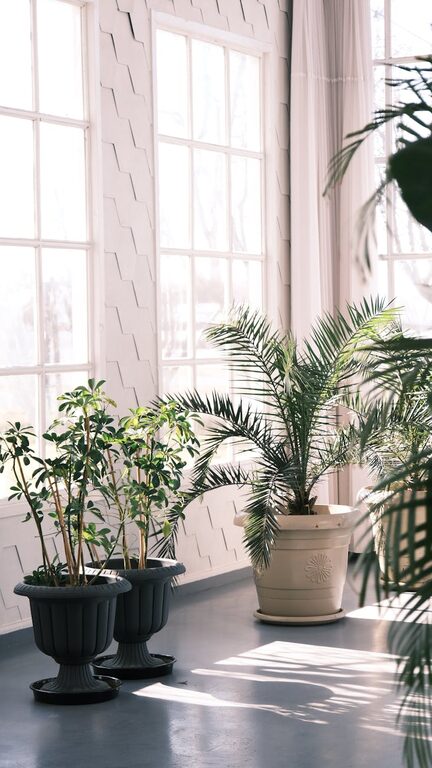
Indoor plants are more than just decorative accents; they bring a host of benefits to your living space and everyday routine. Whether you have a sprawling collection of greenery or just a few small pots on your windowsill, incorporating plants into your home can positively impact your environment and personal wellbeing. This article explores the many advantages of having indoor plants and how you can integrate them into your home in meaningful ways.
Why Bring Indoor Plants into Your Home?
Indoor plants have surged in popularity in recent years, and for good reason. Adding greenery to your living space creates a calming atmosphere and provides practical benefits. Besides their visual appeal, plants contribute to cleaner air, greater relaxation, and an enhanced sense of connection to nature—even when you’re indoors.
Health and Air Quality Benefits
One of the most well-known benefits of indoor plants is their ability to improve indoor air quality. Plants naturally absorb carbon dioxide and release oxygen, which can help you breathe fresher air. Certain varieties can also reduce indoor pollutants like formaldehyde, benzene, and trichloroethylene — chemicals often found in household products or furnishings.
Examples of air-purifying houseplants include:
– Spider plant
– Snake plant
– Peace lily
– Boston fern
By reducing levels of harmful substances, these plants can contribute to a healthier indoor environment.
Boosting Mood and Reducing Stress
The presence of plants has also been linked to improved mental well-being. Studies show that interacting with or even just being near plants can lower stress levels, reduce anxiety, and enhance mood. This calming effect is partly due to the visual connection with nature, which many people find restorative and grounding.
Taking care of plants—watering, pruning, and tending to them—can create a mindful, nurturing routine that encourages relaxation and focus.
Enhancing Productivity and Concentration
Indoor plants can improve productivity whether you’re working from home or attending school virtually. Research suggests that having plants in a workspace can boost concentration, creativity, and overall performance. Their presence may help reduce mental fatigue by providing a soothing visual break.
For home offices or study areas, placing a few smaller plants or a compact succulent garden can make the environment more inviting and inspiring.
How to Incorporate Indoor Plants into Your Home Decor
Adding plants to your home doesn’t have to be complicated. With a bit of planning, you can create beautiful arrangements that complement your style while reaping the benefits of greenery.
1. Choose the Right Plants for Your Space
Consider factors like lighting, humidity, and care level when selecting plants. Some popular low-maintenance options for beginners include:
– Pothos
– ZZ plant
– Aloe vera
– Philodendron
If you have a bright, sunny spot, succulents and cacti are great choices. Shadier spaces can benefit from plants like the snake plant or peace lily.
2. Use Stylish Planters and Pots
The containers you choose can enhance your decor theme. Ceramic pots, woven baskets, or sleek metal planters all offer different aesthetics. Matching planter colors with your room’s palette or using contrasting tones can make plants stand out as focal points.
3. Experiment with Plant Placement
Don’t limit plants to windowsills. Consider hanging planters, wall-mounted pots, or plant stands to create layers of greenery at different heights. A tall floor plant can fill empty corners, while small plants can decorate shelves or desks.
4. Mix with Other Decor Elements
Combine plants with natural materials like wood, stone, or textiles to create a cohesive, inviting space. Pairing plants with artwork, books, and cozy furnishings helps integrate them seamlessly into your home.
Incorporating Plants into Your Daily Routine
Taking care of indoor plants can be a rewarding daily habit. Here are some tips to include plants in your lifestyle:
– Morning check-in: Spend a few minutes each morning checking your plants’ water and light needs.
– Mindful watering: Use watering as a moment to relax and focus on the present.
– Learning opportunity: Explore different species and their characteristics to deepen your connection with your plants.
– Seasonal care: Adjust your routine according to seasonal changes, such as reducing water in winter or increasing humidity during dry months.
Final Thoughts
Indoor plants offer numerous benefits that enrich both your home environment and daily wellbeing. From cleaning the air to lifting your mood and sparking creativity, these green companions bring life and energy to any space. By choosing the right plants and making them part of your everyday routine, you create a healthier, happier, and more beautiful home. Whether new to plants or a seasoned plant parent, embracing indoor greenery is a simple step toward improved quality of life.